 In development
01
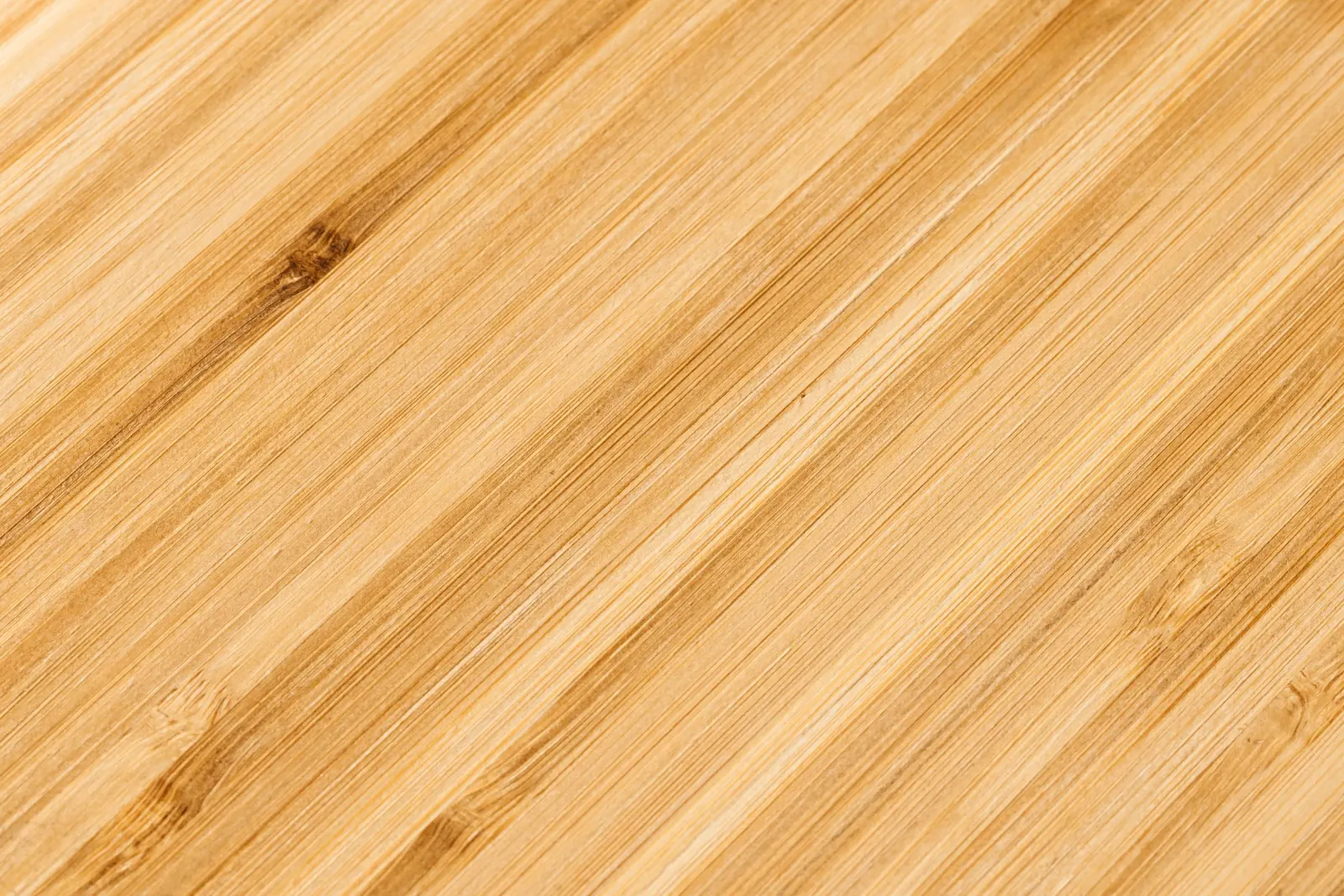
Engineered bamboo
Bamboo strips, laminates and panels for structure and finishing, processed near the plantation to emit less.
Structure · Panels · Finishing
We turn R&D into sustainable products and measure the abatement potential of every technology.
A NUMATS · COPPE/UFRJ spin-off
What we do
We measure emissions rigorously and use that measurement to decide: from tailored services to software, from our own products to other industries' waste.
LCA, GHG inventories and decarbonization strategy for companies and products.
LCA · GHG inventory · Strategy
Software that ranks technologies by the carbon they avoid and the cost of each tonne.
Inventory · Abatement · MACC curve · Traceability
R&D turned into sustainable bio-based products, with a measured footprint.
Engineered bamboo · Bio-concretes · Biochar
Industrial and agricultural waste turned into high-performance products.
Waste · Cementitious materials · Upcycling
01 · Consulting
We run the numbers behind the decision: how much a product, a process or a company emits, and where the largest reduction lies.
Carbon footprint and other life cycle impacts, from cradle to grave.
Your company's Scope 1, 2 and 3 emissions, ready for reporting and audit.
How much a technology, route or material reduces against the baseline scenario.
Targets, scenarios and investment priorities built on measured numbers.
Standards and methods
02 · Platform
Software that compares decarbonization technologies side by side by the carbon they avoid and the cost of each tonne. Our consulting method, applied to entire portfolios.
From the lowest to the highest cost per tonne avoided.
The emissions of each operation, organized by scope and by source.
How much each technology avoids against the baseline scenario, using the Project Frame method.
The cost of each tonne avoided, so you invest first where each dollar cuts the most.
Every number linked to its source, emission factor and underlying assumption.
Guided demo for sustainability and engineering teams.
03 · Products
One of our lines of work is turning R&D into sustainable bio-based products. Each one leaves the lab with its carbon footprint measured.
In development
Bamboo strips, laminates and panels for structure and finishing, processed near the plantation to emit less.
 In development
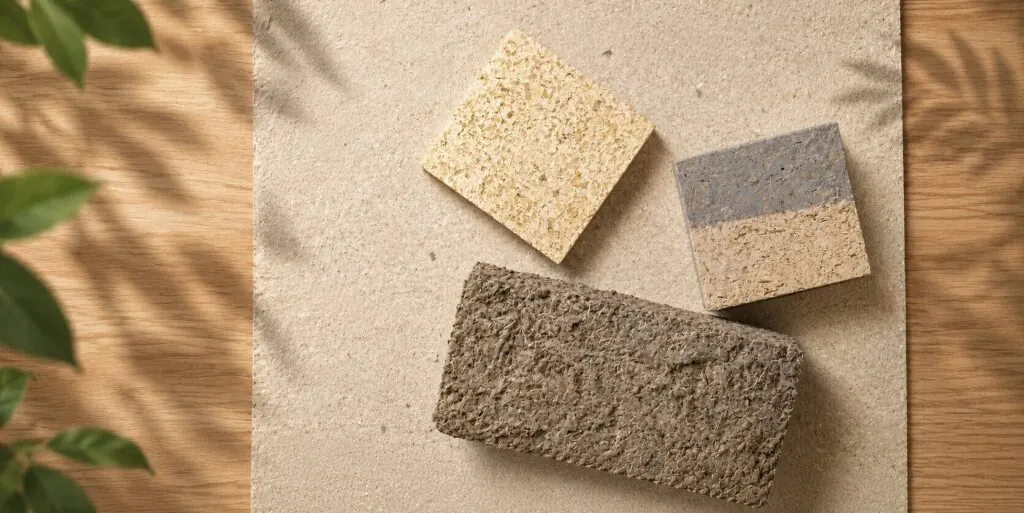
Concretes and mortars with plant fibers and aggregates, for lighter elements with less embodied carbon.
 In R&D
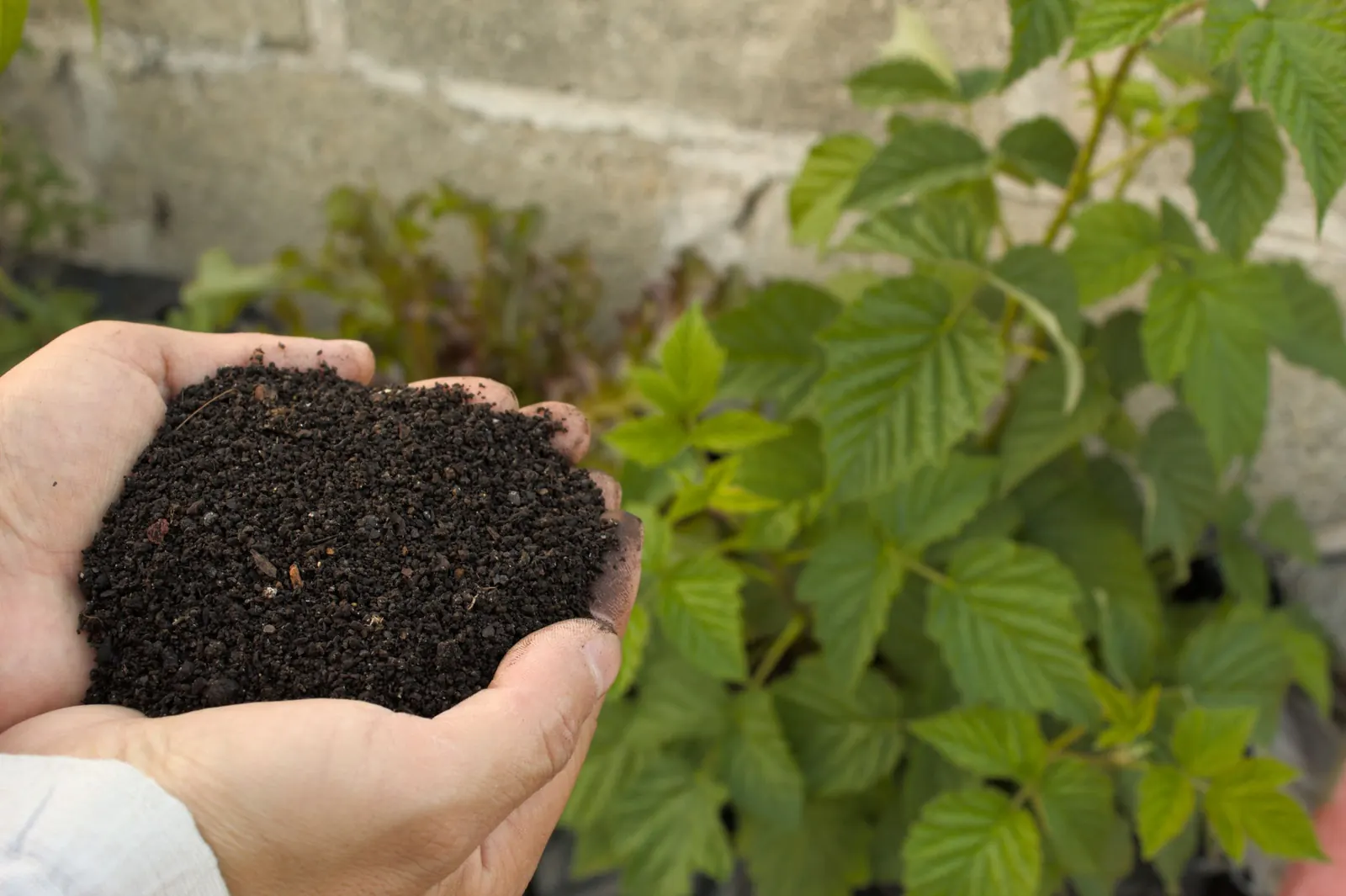
Stable carbon made from biomass waste, used as an additive in cementitious materials and in soil.
Footprint measured from the prototype on. Our consulting method guides every choice of material, process and logistics.
See the bamboo resultFor companies that want to test a material at pilot scale.
04 · Circularity
We study industrial and agricultural waste as a basis for high-performance materials and measure whether the switch actually cuts emissions.
Composition, reactivity and variability of the waste.
Mix designs and performance tests in the lab.
LCA of the switch: how much carbon the substitution avoids.
Pilot with the company that generates or uses the material.
Got waste sitting in your yard? We assess whether it can become a material and how much carbon the switch avoids.
Assess a waste streamWhere we work
The same method, applied where each tonne avoided matters most: from the building site to the oil platform.
LCA of materials and building systems, with engineered bamboo and bio-concretes as alternatives.
Process emission inventories and supplementary cementitious materials that reduce clinker.
GHG inventories, equipment LCA and emissions avoided by new technologies.
Investment priorities from the MACC curve and upcycling of process waste.
Agricultural waste, biochar and planted bamboo as a source of biogenic carbon.
Your sector isn't listed? The method works for any product, process or company that needs to measure and reduce emissions.
Talk about your caseWho we are
We are a spin-off of NUMATS at COPPE/UFRJ, a group that studies materials from the fiber to full-scale testing, including for the oil and gas industry.
A research group that studies materials from the fiber to full-scale testing.
Where BioCSystems builds its products and services.
Selected in FAPERJ Call No. 13/2025, Turning Knowledge into Innovation.
Contact
Tell us what you need to measure or reduce. We reply with a technical path and a proposal.